


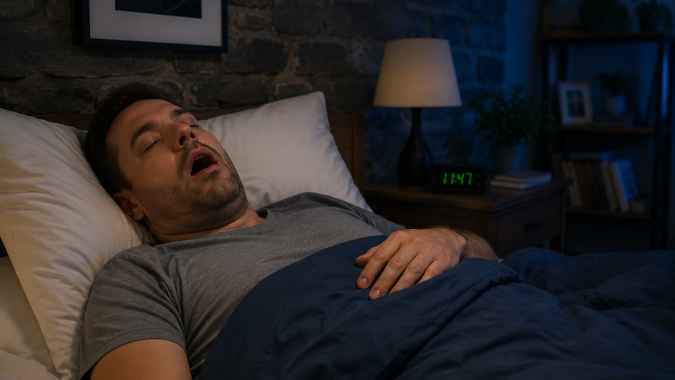
Is 6 hours of sleep enough? It's a question millions of people ask themselves every morning. You set the alarm, you do the math, and six hours feels like a reasonable compromise between a late night and an early start. But feeling okay after six hours isn't the same as actually being okay.
The science on this is pretty clear. And it's not encouraging for anyone running on six hours or less regularly.
What Experts Actually Recommend
There's no ambiguity in the official guidance here. According to the CDC's sleep recommendations, adults aged 18-60 need 7 or more hours of sleep per night. That's not a suggestion built around ideal conditions. It's the minimum threshold for maintaining basic health functions across the adult population.
The recommendation didn't come from one study or one organization either. A joint consensus statement from the American Academy of Sleep Medicine and Sleep Research Society published in PMC reviewed 5,314 scientific articles before reaching the same conclusion. Adults need at least 7 hours per night on a regular basis to promote optimal health. The panel of 15 sleep experts examined nine health categories including cardiovascular health, metabolic health, mental health, immune function, and mortality before landing on that number.
Six hours didn't make the cut. Not even close.
What Happens To Your Body On 6 Hours Of Sleep
Most people who run on six hours feel functional. That's part of what makes chronic sleep restriction so deceptive. Your brain adapts to the feeling of being tired. You stop noticing the deficit because tired becomes your new normal.
But adaptation isn't the same as recovery. The damage accumulates whether you feel it or not.
The AASM consensus statement found that sleeping less than 7 hours per night is consistently associated with weight gain and obesity, type 2 diabetes, high blood pressure, heart disease, stroke, depression, and impaired immune function. It's also linked to reduced performance, increased errors, and a higher risk of accidents. These aren't rare outcomes. They show up repeatedly across population studies involving hundreds of thousands of adults.
Six hours sits in that danger zone, close enough to seven that it feels acceptable but far enough below the threshold to carry real health consequences over time.
The Link Between Short Sleep and Heart Risk
The cardiovascular connection deserves its own attention. It goes beyond general health risk.
A study reported by the American College of Cardiology's CardioSmart followed 1,654 middle-aged adults over more than two decades. The findings were striking. Getting less than six hours of sleep per night doubled the risk of death in participants with high blood pressure or diabetes. For those with existing heart disease or a history of stroke, less than six hours more than tripled mortality risk.
Short sleep also increased the risk of cancer-related death in participants with cardiovascular history. These aren't marginal risks. They're significant multipliers on conditions that already carry serious health consequences.
The researchers defined less than six hours as a short sleep duration, a cutoff backed by consistent evidence across multiple studies. If six hours is the danger zone floor, that doesn't mean six hours is safe. It means anything below six hours is demonstrably worse.
Why Quality Matters As Much As Quantity
Here's something the hour count alone doesn't capture. You can spend seven or eight hours in bed and still wake up exhausted if your sleep quality is poor.
The CDC notes that signs of poor sleep quality include not feeling rested after what should be enough sleep, waking repeatedly through the night, and experiencing symptoms of sleep disorders like snoring or gasping for air. Hours in bed and hours of restorative sleep aren't always the same thing.
Several factors affect sleep quality that most people overlook:
-
Room temperature that's too warm disrupts natural core body cooling needed for deep sleep
-
Noise and light exposure interfere with sleep cycle continuity
-
Stress and anxiety keep the nervous system activated during sleep
-
Poor bedding that traps heat or moisture disrupts comfort through the night
-
Inconsistent sleep and wake times prevent proper circadian rhythm alignment
Addressing quality is just as important as protecting duration. Seven poor hours doesn't equal seven good hours.
How Your Sleep Environment Affects Sleep Duration
People don't often connect their bedding to how long they sleep. But discomfort is one of the most common reasons people wake early or struggle to fall back asleep after waking.
If your sheets trap heat, you'll wake up. If your pillow is flat or your mattress is unsupportive, you'll shift positions repeatedly. Each disruption pulls you out of deeper sleep stages and shortens the total restorative time, even if the clock says you were in bed for seven hours.
Moisture is a specific problem. Sweat that builds up on fabric and stays against your skin through the night creates an uncomfortable sleep surface that's hard to ignore. High-quality cooling sheets with moisture-wicking and antimicrobial properties help maintain a cleaner, drier sleep surface that supports uninterrupted rest.
Fresh towels after a morning shower also contribute to how you start and end each day around sleep. Clean, fresh linens signal rest and comfort in ways that affect how quickly you fall asleep and how rested you feel waking up.
Signs You're Not Getting Enough Sleep
Some people genuinely don't know they're sleep-deprived. The adaptation effect mentioned earlier is real. Here are the signs worth paying attention to:
-
Falling asleep within minutes of lying down every night
-
Struggling to wake up without multiple alarms
-
Feeling irritable, anxious, or emotionally reactive without clear reason
-
Difficulty concentrating or retaining information during the day
-
Relying on caffeine to feel functional after midday
-
Getting sick more frequently than usual
Any of these can indicate chronic sleep restriction. They're worth taking seriously rather than normalizing as just how life feels.

Can You Make Up Lost Sleep
It's a common hope. Work hard during the week, sleep long on the weekend, and balance it out. The evidence doesn't support it well. Research shows that weekend recovery sleep doesn't fully reverse the metabolic and cognitive effects of weekday sleep restriction. Some of the damage from chronic short sleep accumulates regardless of catch-up attempts.
The more sustainable approach is protecting sleep duration consistently. That means treating sleep as a non-negotiable health priority rather than a variable you adjust based on what else needs to fit into the day.
Miracle Made designs bedding that supports the sleep environment you need for consistent, restorative rest. Getting the hours right matters. Making sure those hours are genuinely restful matters just as much.
Sources:
How Much Sleep Do I Need? — Centers for Disease Control and Prevention
Our Latest Posts


Featured Products

Luxe Cooling Sheet Set
Cool all night, clean 3x longer
 Lightweight, breathable 100% cotton
 Silver-treated for 3x less laundry
 Secure corners for a stay-put fit
$109

Extra Luxe Cooling Sheet Set
Our coolest sheets—for hot sleepers
 Added cooling treatment for all-night comfort
 Extra-refined sateen for a 5-star hotel feel
Silver-treated for 3x less laundry
Extra-refined sateen for a 5-star hotel feel
Silver-treated for 3x less laundry
$159

Luxe Cooling Pillowcases
Soft, clean, and gentle on your skin
Lightweight, breathable 100% cotton
Silver-treated to stay cleaner longer
Smooth sateen, soft against your skin
$39

3-Temperature-Zone Comforter®
Balanced warmth and breathability
 Zoned fill keeps your temperature just right
Silver-treated to stay cleaner longer
Zoned fill keeps your temperature just right
Silver-treated to stay cleaner longer