


The Daily Miracle
Tencel Vs Bamboo: Understanding Eco-Friendly Fabric Differences
Published
December 18, 2025
Author
Suze Dowling
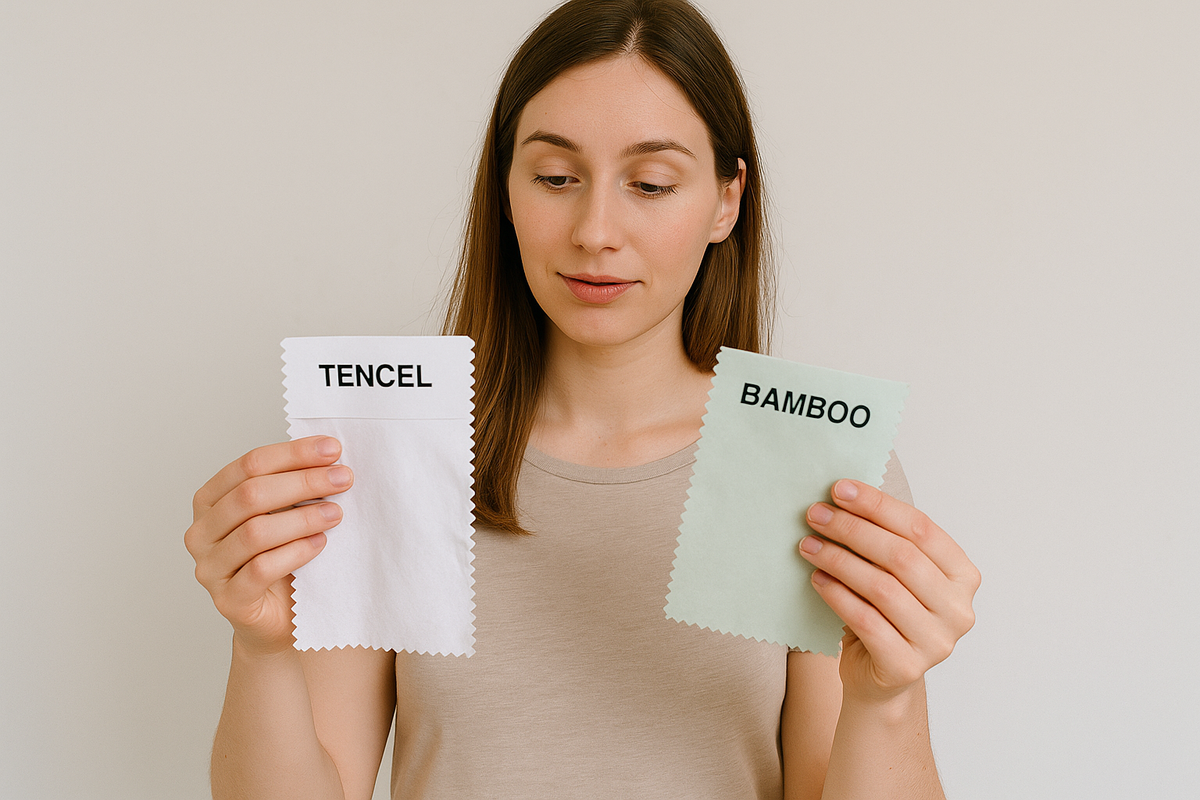
Tencel vs bamboo creates confusion for anyone shopping for eco-friendly fabrics and bedding. Both materials market themselves as sustainable alternatives to conventional cotton and synthetics. The green messaging makes them sound nearly identical in properties and benefits. However, these two fabrics differ significantly in production methods, environmental impact, and performance characteristics.
Understanding what each fabric actually is helps you make informed purchasing decisions. The terms themselves create confusion because "bamboo" fabric isn't really bamboo anymore. "Tencel" is a brand name rather than a fiber type.
This guide examines tencel vs bamboo differences in detail for clarity. You'll learn about production processes, sustainability claims, fabric performance, and practical considerations.
What Is Tencel Fabric Actually?
Tencel represents a specific brand of lyocell fiber produced by Lenzing AG. The company manufactures lyocell from sustainably harvested wood pulp, primarily eucalyptus trees. This branded fabric has become synonymous with lyocell despite being just one manufacturer.
The production process uses a closed-loop system that recycles 99% of solvents. Wood pulp dissolves in non-toxic N-Methylmorpholine N-oxide (NMMO) to create viscous solution. Manufacturers extrude this solution through fine holes to form continuous filament fibers. The solvent gets recovered and reused rather than released as waste.
Eucalyptus trees require minimal water and grow without pesticides or irrigation naturally. They grow quickly on land unsuitable for food crops, reducing agricultural competition. The trees used for Tencel come from certified sustainable forestry operations.
According to research on sustainable textiles, lyocell production has significantly lower environmental impact than conventional rayon manufacturing processes.
The resulting Tencel fabric feels incredibly soft, breathable, with a smooth, silky texture and is often considered hypoallergenic, making it suitable for sensitive skin. It drapes beautifully and resists wrinkles better than many natural fibers.
What Is Bamboo Fabric Actually?
Bamboo fabric sounds natural but rarely comes directly from bamboo plants. Most bamboo textiles are actually bamboo rayon or bamboo viscose produced through chemical processing. The manufacturing transforms bamboo stalks into soft, wearable fabric completely.
Bamboo plants grow extremely quickly without pesticides, fertilizers, or significant water needs. This makes the raw material itself highly sustainable and environmentally friendly. However, the conversion process from plant to fabric involves harsh chemicals.
Traditional bamboo rayon production dissolves bamboo pulp in caustic soda and carbon disulfide. These toxic chemicals often get released into the environment as industrial waste. Workers face health risks from exposure during manufacturing without proper safety protocols.
Some manufacturers now produce bamboo lyocell using the same closed-loop process as Tencel. This eco-friendlier method recycles solvents rather than releasing them as pollutants. However, most bamboo fabric available uses the cheaper viscose process still.
The resulting bamboo fabric feels soft, smooth, and comfortable against skin naturally. It absorbs moisture well and provides decent temperature regulation for sleepers.
Quality bedding uses sustainable production methods regardless of fiber source for environmental responsibility.
How Does Production Impact Tencel Vs Bamboo Sustainability?
Environmental impact represents a major selling point for both fabrics. However, production methods dramatically affect how sustainable each option truly is.
Tencel Production Sustainability
Tencel's closed-loop manufacturing system recovers and reuses 99% of processing solvents. This dramatically reduces chemical waste and environmental pollution compared to traditional methods. The NMMO solvent used is non-toxic and biodegradable unlike harsh alternatives.
Eucalyptus trees for Tencel come from FSC or PEFC certified sustainable forests. The plantations don't compete with food crops or natural forests for land. Lenzing has received numerous environmental certifications for sustainable production practices.
Bamboo Production Sustainability
Bamboo plants themselves are extremely sustainable as raw material sources naturally. They grow rapidly without irrigation, pesticides, or fertilizers in most climates. Bamboo regenerates from roots after harvesting without requiring replanting efforts.
However, bamboo viscose production undermines these environmental benefits significantly. The chemical-intensive process releases pollutants and creates toxic waste streams. Manufacturing often occurs in countries with minimal environmental regulations or oversight.
Bamboo lyocell offers improved sustainability through closed-loop processing similar to Tencel, although combining bamboo with organic cotton can enhance the eco-friendliness of the fabric further. Unfortunately, most bamboo products use the cheaper, more polluting viscose method, limiting the adoption of eco-conscious choices.
According to textile industry sustainability studies, production method matters more than raw material for overall environmental impact.
What Are The Key Performance Differences In Tencel Vs Bamboo?
Fabric performance affects daily comfort and satisfaction beyond just environmental considerations. Several characteristics distinguish tencel vs bamboo in practical use scenarios, highlighting various Tencel benefits.
Key performance differences between these fabrics include:
- Tencel typically has a silkier, more luxurious feel initially
- Tencel maintains smooth texture through many wash cycles consistently
- Tencel excels at moisture absorption, holding 50% more than cotton
- Both fabrics allow excellent air circulation through fabric weave
- Tencel fibers demonstrate excellent strength both wet and dry
- Bamboo fabric durability varies based on production quality
Softness and Moisture Management
Both tencel and bamboo fabrics feel exceptionally soft against skin naturally. Tencel maintains its smooth texture through extensive washing without pilling. Bamboo feels soft but may develop some texture changes over time.
Tencel excels at moisture absorption and wicks perspiration away efficiently throughout night. This makes Tencel excellent for hot sleepers and humid climates. Bamboo also absorbs moisture well, though slightly less effectively than Tencel.
Breathability and Durability
Both options provide excellent breathability that prevents heat buildup during sleep. Tencel's fiber structure creates slightly better airflow than bamboo overall, making it a highly breathable fabric choice. Both vastly outperform synthetic materials for temperature regulation.
Tencel withstands frequent washing without significant deterioration or weakening over time. Well-made bamboo textiles last reasonably well through regular use. Lower-quality bamboo products may thin or develop holes more quickly.
Consider towels and other linens that balance softness with long-lasting durability effectively.
How Do Care Requirements Compare For Tencel Vs Bamboo?
Maintenance needs affect long-term satisfaction and convenience with any fabric. Understanding care differences helps you choose appropriately for your lifestyle.
Both tencel and bamboo tolerate machine washing in cold or warm water. Use gentle cycles and mild detergents for best fabric preservation. Avoid harsh chemicals or bleach that can damage natural fibers permanently.
Tencel resists wrinkling better than bamboo during washing and drying cycles. The fabric maintains shape and appearance with minimal special care. Bamboo wrinkles somewhat more readily, requiring prompter removal from washers.
Air drying works best for both fabrics to preserve softness and integrity. Both tolerate low-heat tumble drying if time constraints require machines. High heat can damage fibers and reduce fabric lifespan significantly.
Skip fabric softeners completely with both tencel and bamboo textiles. Softeners coat fibers and reduce natural moisture-wicking capabilities permanently. Use white vinegar in rinse cycles for natural softening instead.
Quality cooling sheets maintain performance through proper washing and care practices consistently.
Which Costs More: Tencel Vs Bamboo?
Price differences affect purchasing decisions alongside performance and sustainability factors. Understanding cost variations helps you budget appropriately for quality textiles.
Tencel typically costs more than bamboo for comparable products initially. The superior production process and environmental certifications justify higher prices. Expect to pay 20-40% more for Tencel bedding and clothing generally.
Bamboo products span wider price ranges based on quality and production methods. Cheap bamboo viscose costs less than Tencel significantly sometimes. Premium bamboo lyocell approaches or matches Tencel pricing levels.
Long-term value considers durability alongside initial purchase price necessarily. Tencel's superior strength may provide better cost-per-year despite higher upfront investment. Calculate total ownership cost rather than just comparing initial prices.
Both options cost more than conventional cotton or synthetic materials typically. The environmental benefits and performance characteristics justify premium pricing for conscious consumers.
How Do Tencel Vs Bamboo Compare For Specific Uses?
Different applications favor tencel or bamboo based on specific performance priorities. Understanding use-case scenarios helps you choose the right fabric appropriately.
Both materials excel for sheets and pillowcases through softness and breathable properties. Tencel edges ahead slightly for superior moisture-wicking in hot sleepers. Bamboo provides excellent value for those prioritizing sustainable bedding affordably.
Tencel maintains softness and smoothness longer through extensive washing cycles. This durability matters for frequently laundered bedding experiencing heavy use. Bamboo works well for guest rooms or seasonal bedding rotation.
Tencel drapes beautifully for flowing dresses and delicate garments naturally. The fabric resists wrinkles better for travel and professional wear. Bamboo works well for casual clothing and activewear applications.
Both fabrics feel comfortable against skin during exercise and activity. The moisture-wicking properties prevent clammy discomfort during workouts.

Which Should You Choose: Tencel Or Bamboo?
The tencel vs bamboo decision depends on your specific priorities and circumstances. Neither option is universally superior for every situation or person.
Choose Tencel when prioritizing maximum sustainability and environmental responsibility. The certified production process and renewable resources provide peace of mind. Superior durability and performance justify higher prices for long-term value.
Choose bamboo when seeking affordable sustainable textiles on tighter budgets. Look specifically for bamboo lyocell rather than viscose for better environmental impact. The softness and comfort match Tencel at lower price points.
Both options, made from fibers like cellulose, dramatically outperform conventional cotton and synthetic materials overall, but consider organic cotton for a sustainable and natural alternative. Either choice represents a positive step toward sustainable textile consumption. Consider your budget, performance priorities, and eco-friendly values when deciding.
Visit Miracle Made for innovative bedding options that combine sustainability with performance.
Source:
SUSTAINABILITY IN TEXTILES: A CRITICAL REVIEW OF ECO – FRIENDLY PRACTICES AND MATERIALS
Our Latest Posts


Featured Products

Luxe Cooling Sheet Set
Cool all night, clean 3x longer
 Lightweight, breathable 100% cotton
 Silver-treated for 3x less laundry
 Secure corners for a stay-put fit
$109

Extra Luxe Cooling Sheet Set
Our coolest sheets—for hot sleepers
 Added cooling treatment for all-night comfort
 Extra-refined sateen for a 5-star hotel feel
Silver-treated for 3x less laundry
Extra-refined sateen for a 5-star hotel feel
Silver-treated for 3x less laundry
$159

Luxe Cooling Pillowcases
Soft, clean, and gentle on your skin
Lightweight, breathable 100% cotton
Silver-treated to stay cleaner longer
Smooth sateen, soft against your skin
$39

3-Temperature-Zone Comforter®
Balanced warmth and breathability
 Zoned fill keeps your temperature just right
Silver-treated to stay cleaner longer
Zoned fill keeps your temperature just right
Silver-treated to stay cleaner longer