


The Daily Miracle
What Is a Duvet Cover? How It Works and Why You Need One
Published
May 22, 2025
Author
Suze Dowling
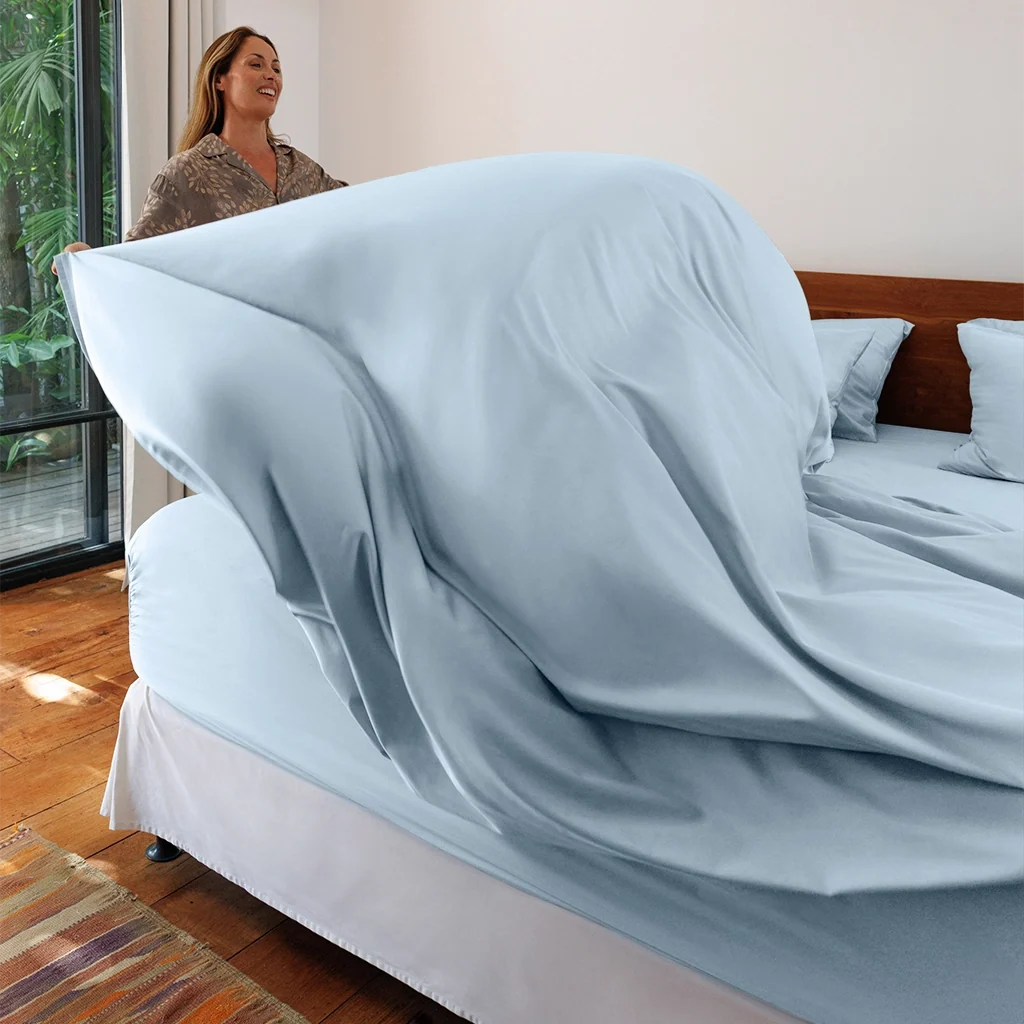
What is a duvet cover, and why does it matter for your sleep setup? It's a removable, washable shell that slips over a duvet insert, protecting it the same way a pillowcase protects a pillow. Instead of washing a bulky insert every time it needs freshening up, you just pull off the cover and toss it in the machine.
This guide breaks down exactly what a duvet cover does, how it differs from a comforter, and what to look for when picking one for your bed.
What a Duvet Cover Actually Is
A duvet cover works like an outer shell for your duvet insert. It keeps the insert clean, extends its life, and gives you an easy way to update your bedroom's look.
Most covers close with buttons, zippers, or ties along one edge. This closure keeps the insert secure inside while still letting you remove it fast for washing. Covers come in countless colors, patterns, and fabrics, so changing your bedroom's style doesn't mean buying new bedding.
Internal ties or corner loops are common too. These small details stop the insert from bunching up or sliding around during the night.
Duvet Cover vs Comforter: What Sets Them Apart
A comforter is one piece. It's a quilted blanket filled with down or synthetic fiber, and you use it directly on the bed without anything over it.
A duvet cover works differently. It's a separate shell that goes over a duvet insert, and that insert does the actual insulating. The cover is the part you interact with daily, and it's the part you wash.
This separation matters for upkeep. Washing a comforter often means a trip to the dry cleaner or a wrestling match with an oversized washing machine load. Washing a duvet cover takes the same effort as washing a bedsheet.
Core Differences at a Glance
A side-by-side look makes the distinction clearer, since both options can look similar once they're made up on a bed.
-
Structure: Comforters are single pieces. Duvet covers wrap around a separate insert.
-
Cleaning: Comforters need special care. Duvet covers machine wash like regular bedding.
-
Style changes: Comforters have one fixed design. Duvet covers swap out in minutes.
-
Hygiene: Duvet covers let you wash the outer layer often without touching the insert underneath.
Why the Separation Helps Hygiene
A fine-woven duvet cover does more than keep dust off the insert. A peer-reviewed environmental health study on bedding barriers found that tightly woven, washable covers reduce dust mite waste buildup and block micro-particle penetration into the insert underneath, even through regular wash cycles.
A duvet cover gets this same protective benefit. Since it's the layer touching your skin most directly, washing it on a regular schedule keeps allergens from reaching the insert the way they would with an uncovered comforter.
How to Put On and Use a Duvet Cover
Fitting a duvet cover takes practice the first few times, but the process gets faster once you know the steps.
-
Turn the cover inside out and lay it flat across the bed.
-
Place the insert on top, lining up all four corners.
-
Clip or tie any internal loops to the insert's corners.
-
Fasten the closure, working from one end to the other.
-
Shake the whole thing out so the insert settles evenly.
-
Smooth out wrinkles and fluff the corners for a finished look.
The internal ties make the biggest difference here. Skipping them is the most common reason a duvet insert bunches up or shifts to one side after a few nights of use.
Key Benefits of Using a Duvet Cover
A duvet cover does more than dress up your bed. It changes how often you have to deep-clean your bedding and how easily you can update your room's style.
The cover acts as a barrier between the insert and everyday wear. Spills, pet hair, and body oils stay on the removable layer instead of soaking into the insert itself. That means your insert stays usable for years longer than it would without a protective layer.
Research from the Asthma and Allergy Foundation of America explains how tightly woven, removable covers reduce skin scale buildup inside bedding inserts, which lowers indoor allergen exposure compared to leaving a comforter uncovered. That same mechanism applies directly to a duvet cover protecting the insert it wraps.
Cleaning becomes far less of a chore too. A full comforter wash can take an hour at a laundromat with industrial machines. A duvet cover goes through a standard wash cycle at home, start to finish, in about 90 minutes including dry time.
Style flexibility rounds out the benefits. Swapping a duvet cover for the season costs far less than replacing an entire comforter, and it takes minutes instead of a shopping trip.
Do You Still Need a Top Sheet With a Duvet Cover?
Whether you need a top sheet comes down to personal preference more than any hard rule. Many people skip the top sheet entirely once they switch to a duvet cover, especially with soft fabrics like cotton against the skin.
Washing your duvet cover weekly keeps that direct-contact surface clean enough to skip the extra layer. Others still prefer the familiar feel of a top sheet tucked under the mattress. Testing both setups for a week or two usually settles the question, and neither choice is wrong once your cover stays on a consistent wash schedule.
Choosing the Right Duvet Cover Material
Material affects comfort, durability, and how often you'll want to wash the cover. Long-staple cotton holds up well over years of regular washing and stays soft the whole time. Linen offers a looser weave and more airflow, which suits warmer climates or hot sleepers.
Silk feels smooth and lightweight but needs gentler care than cotton or linen. Fabrics treated with silver or other antimicrobial finishes add another layer of odor control between washes, which matters if you tend to go longer between laundry days.
Closure Types Worth Comparing
The closure affects how easy the cover is to use night after night, so it's worth a quick look before buying.
-
Buttons: Classic look, but can snag over time with heavy use.
-
Zippers: Fast to open and close, though cheap zippers can jam.
-
Ties: Simple and low-maintenance, though they take slightly longer to fasten.
How to Keep a Duvet Cover Clean
Keeping your duvet cover fresh takes a few consistent habits rather than a complicated routine.
-
Check the care label before the first wash, since some fabrics need a delicate cycle.
-
Machine wash in cold or warm water with a mild detergent for most materials.
-
Skip bleach and harsh chemicals, which weaken fibers over time.
-
Tumble dry on low or hang to dry, since high heat can shrink certain fabrics.
-
Wash weekly if possible to keep allergens and odors from building up.
A washable outer cover does real work here beyond keeping dust off the surface. A textile hygiene study on home fabrics found that regular laundering of outer covers protects the fill material inside from moisture buildup and bacterial growth, both of which drive the musty odor that shows up in neglected bedding.
Common Mistakes to Avoid
A few small missteps account for most of the frustration people run into with duvet covers.
Buying the wrong size tops the list. A cover that doesn't match your insert's dimensions bunches up or leaves gaps at the corners. Always check the size markings on both pieces before buying.
Skipping the internal ties causes the insert to slide around at night, which undoes the smooth, made-up look a duvet cover is supposed to deliver. Ignoring the care label is another common issue, since the wrong wash temperature can shrink or damage certain fabrics permanently.

Bringing It All Together
A duvet cover simplifies bedding care while giving you more control over your bedroom's style. It protects your insert, washes easily, and swaps out fast whenever you want a change.
Pairing a duvet cover with quality cooling sheets rounds out a sleep setup built for comfort and easy care. Both pieces work together to cut down on sweat and odor buildup overnight.
A well-chosen bedding set, including your duvet cover, pillowcases, and sheets, makes laundry day faster and keeps your whole bed feeling fresh between washes.
Fresh towels matter here too. Towels that dry fully between uses help cut down on the kind of bacteria that transfers between fabric surfaces throughout your home.
If you're ready to upgrade your bedding setup, check out the Duvet Cover from Miracle Made for an easy way to protect your insert and refresh your bedroom's look. For the full lineup of cooling, antimicrobial bedding built around the same silver-treated fabric, visit Miracle Made to see what fits your sleep setup best.
Disclaimer: Antimicrobial finish helps protect the fabric from odor-causing bacteria. Does not protect users against bacteria or other disease organisms.
Sources:
Environmental Control & Bedding Barrier Study — National Institutes of Health (PMC)
Dust Mite & Indoor Allergen Analysis — Asthma and Allergy Foundation of America
Textile Hygiene & Microbial Odor Research — National Institutes of Health (PMC)
Our Latest Posts


Featured Products

Luxe Cooling Sheet Set
Cool all night, clean 3x longer
 Lightweight, breathable 100% cotton
 Silver-treated for 3x less laundry
 Secure corners for a stay-put fit
$109

Extra Luxe Cooling Sheet Set
Our coolest sheets—for hot sleepers
 Added cooling treatment for all-night comfort
 Extra-refined sateen for a 5-star hotel feel
Silver-treated for 3x less laundry
Extra-refined sateen for a 5-star hotel feel
Silver-treated for 3x less laundry
$159

Luxe Cooling Pillowcases
Soft, clean, and gentle on your skin
Lightweight, breathable 100% cotton
Silver-treated to stay cleaner longer
Smooth sateen, soft against your skin
$39

3-Temperature-Zone Comforter®
Balanced warmth and breathability
 Zoned fill keeps your temperature just right
Silver-treated to stay cleaner longer
Zoned fill keeps your temperature just right
Silver-treated to stay cleaner longer