


The Daily Miracle
What Temperature To Wash Bed Sheets: The Complete Temperature Guide
Published
January 15, 2026
Author
Suze Dowling
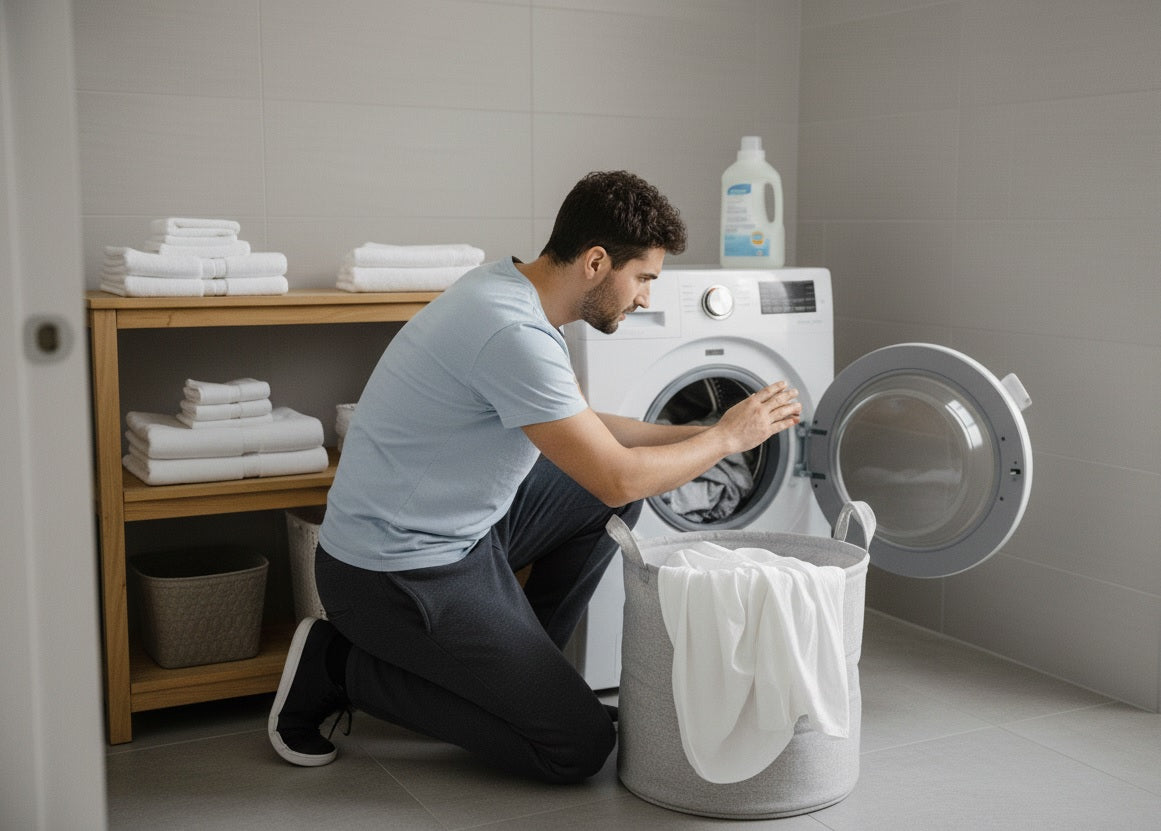
What temperature to wash bed sheets confuses many people doing laundry regularly. The care label instructions on bedding seem contradictory to what you've always heard. Some experts recommend hot water for hygiene while others suggest cold water. Environmental concerns about energy usage add another layer to the decision.
Water temperature and detergent choice affect both cleaning effectiveness and fabric longevity significantly. The right temperature balances hygiene needs with fabric preservation for optimal results. Too hot damages delicate fibers while too cold may not clean adequately.
This guide explains exactly what temperature to wash bed sheets based on material and needs. You'll learn proper temperatures for different fabrics and situations requiring special care.
Why Water Temperature Matters For Washing Sheets
Water temperature impacts cleaning effectiveness, fabric preservation, and energy consumption significantly. Understanding these factors helps you make informed laundry decisions for better results.
Hot water dissolves oils, kills bacteria, and removes soil more effectively than cold. The heat activates detergent ingredients and helps them penetrate fabric fibers. This makes hot water excellent for deep cleaning and sanitizing purposes.
However, hot water also causes fabric damage over time through fiber weakening. Colors fade faster and elastic degrades more quickly in high temperatures. The energy cost of heating water significantly exceeds cold water washing expenses.
Cold water preserves fabric colors, texture, and elasticity much better than hot. Modern detergents work effectively in cold water for most everyday cleaning. The energy savings from cold water washing benefit both budget and environment.
According to laundry science research, water temperature choice significantly impacts both cleaning results and fabric lifespan expectations.
The challenge lies in balancing cleanliness needs with fabric care requirements. Different situations demand different temperature approaches for optimal sheet maintenance.
What Temperature To Wash Bed Sheets: General Guidelines
Standard recommendations provide starting points for most sheet washing situations. These guidelines apply to typical household laundry under normal conditions.
The three main temperature ranges each serve specific purposes for sheet washing:
-
Hot water (130-140°F): Best for deep cleaning and sanitizing sheets
-
Warm water (90-110°F): Offers compromise between cleaning power and fabric care
-
Cold water (below 80°F): Preserves fabrics best while providing adequate everyday cleaning
Hot water works best for deep cleaning and sanitizing sheets effectively. This temperature kills dust mites, bacteria, and other microorganisms. Use hot water for sheets when illness occurs in household.
Warm water removes oils and soil adequately while being gentler than hot. It suits most regular sheet washing for typical households. Most experts recommend warm water as default for regular sheet washing.
Cold water saves energy and extends fabric lifespan significantly. Modern detergents formulated for cold water perform well for lightly soiled sheets. This balances hygiene, cleaning effectiveness, and fabric preservation reasonably well.
Quality bedding withstands various washing temperatures while maintaining softness and appearance.
What Temperature To Wash Bed Sheets Based On Fabric Type
Different sheet materials tolerate varying water temperatures based on fiber characteristics. Matching temperature to fabric type prevents damage while ensuring proper cleanliness.
Cotton and Cotton Blend Sheets
Cotton sheets tolerate hot water washing better than most other materials. The natural fibers withstand high temperatures without significant damage or shrinkage. Wash white cotton sheets in hot water for maximum brightness and sanitization.
Colored cotton sheets fare better in warm water preventing premature fading. Hot water accelerates dye loss making colors appear dull over time. Cotton blends with polyester require cooler temperatures than pure cotton.
Microfiber and Synthetic Sheets
Microfiber sheets require cold or warm water maximum to prevent damage. Hot water melts synthetic fibers and destroys fabric structure permanently. Never exceed warm water temperatures for polyester or microfiber bedding.
The synthetic materials also retain oils more stubbornly than natural fibers. Use enzyme-based detergents in warm water for best cleaning results.
Delicate Fabrics
Delicate materials including silk, linen, and bamboo need special temperature consideration. Silk sheets require cold water washing exclusively to prevent damage. Hot or warm water destroys silk's protein structure causing irreparable harm.
Linen tolerates warm water well but may shrink in hot temperatures. Bamboo rayon sheets also need cold or cool water to prevent shrinkage. Follow care label instructions carefully for delicate sheet longevity.
According to textile care standards, proper temperature selection extends fabric life by 40-60% compared to improper washing.
What Temperature To Wash Bed Sheets For Specific Situations
Certain circumstances warrant adjusting washing temperature beyond standard recommendations. These situations prioritize hygiene or specific cleaning needs over routine care.
Illness and Sickness
Hot water washing becomes necessary when household members experience illness. Temperatures above 130°F kill most bacteria, viruses, and pathogens effectively. Wash all bedding in hot water during and immediately after sickness.
Continue hot water washing for one full week after symptoms resolve. This ensures complete pathogen elimination preventing reinfection from contaminated sheets.
Allergy Management
Dust mite allergies require hot water washing to kill microscopic pests. The creatures survive warm and cold water temperatures remaining in bedding. Monthly hot water washing reduces dust mite populations significantly for allergy sufferers.
Combine hot water with extra rinse cycles removing allergen particles thoroughly. The heat kills mites while rinsing removes their waste products.
Heavy Soiling or Stains
Heavily soiled sheets with significant staining benefit from hot water treatment. The elevated temperature helps dissolve oils and break down organic compounds. Pre-treat stains with a suitable detergent before washing in the hottest water the fabric tolerates safely.
For protein-based stains on bedding, like blood, use cold water initially for pre-treatment. Switch to hot water after initial stain removal to sanitize and deep clean.
Regular Maintenance Washing
Everyday sheet washing under normal conditions allows more flexibility with temperature. Alternate between warm and cold water reducing fabric wear while maintaining cleanliness. Use warm water every 2-3 washes with cold water for other cycles. This balanced approach helps preserve the color and softness of your sheets, ensuring they stay fresh and comfortable for longer.
Consider towels and sheets that stay fresh longer between washes.
How Does Water Temperature Affect Energy Usage?
Energy consumption varies dramatically based on washing temperature choices. Understanding these differences helps you make environmentally responsible decisions for household laundry.
Heating water accounts for approximately 90% of energy used during laundry cycles. The actual washing machine operation uses minimal electricity comparatively. Temperature choice dramatically impacts your household energy consumption and utility costs.
Key energy consumption differences by temperature include:
-
Hot water uses 3-5 times more energy than cold water cycles
-
Warm water reduces energy consumption by roughly half compared to hot
-
Cold water washing eliminates heating energy costs almost completely
-
Switching to cold water saves hundreds of dollars annually
The environmental impact extends beyond just personal utility bills significantly. Reduced energy consumption lowers carbon footprint and resource usage. Cold water washing represents one of easiest eco-friendly household changes.
Modern cold water detergents clean effectively without temperature boost needed. This makes cold wash both economical and environmentally responsible for most situations.
What Temperature To Wash Bed Sheets: Common Mistakes
Several errors reduce washing effectiveness or damage sheets unnecessarily. Avoiding these mistakes improves both cleaning results and fabric longevity significantly.
Critical washing temperature mistakes that damage sheets or reduce cleanliness:
-
Using hot water on delicate fabrics causing permanent damage
-
Washing all sheets in cold water regardless of soil level
-
Ignoring care label instructions assuming general rules apply universally
-
Mixing heavily soiled items with lightly soiled sheets in cold water
-
Failing to adjust temperature when household illness occurs
Always check care labels before selecting washing temperature for sheets. Manufacturers provide specific guidance based on fabric composition and construction. Following these instructions prevents damage while ensuring proper care.
Don't assume all sheets tolerate the same temperature ranges equally. Fabric content varies dramatically affecting temperature tolerance significantly. Verify material type before defaulting to your usual temperature setting.
Consider soil level when choosing washing temperature for each load. Lightly soiled sheets from guest rooms need less aggressive cleaning. Heavily used sheets from primary bedrooms may require warmer temperatures.
Quality cooling sheets maintain performance through proper temperature washing practices.
How Can You Boost Cleaning Power At Lower Temperatures?
Modern techniques allow effective cleaning at cooler temperatures protecting fabrics. These strategies help you reduce energy usage without sacrificing hygiene or cleanliness.
Several methods, including choosing the right detergent, enhance cold water washing effectiveness for better results:
-
Use high-quality detergents specifically formulated for cold water
-
Pre-treat stains before washing allowing cleaners to work longer
-
Add oxygen bleach to cold water loads boosting whitening power
-
Use longer wash cycles allowing more agitation time
-
Ensure proper water levels avoiding overloaded washers
High-quality cold water detergents contain enzymes that activate at lower temperatures. These products remove soil and stains without requiring heat activation. They provide excellent cleaning performance while saving energy.
Pre-treating stains allows cleaners to work before agitation begins. Apply stain remover and let it penetrate for 15-30 minutes. This pre-treatment compensates for lower washing temperatures during cleaning.
Extended washing cycles provide mechanical cleaning compensating for reduced chemical action. The extra time produces cleaner results at lower temperatures. Smaller loads clean better regardless of water temperature used.

Make Smart Temperature Choices For Your Sheets
What temperature to wash bed sheets depends on multiple factors including fabric type and the specific characteristics of your bedding. Balance cleaning needs, fabric care, and energy efficiency for best results. Most sheets wash well in warm water for regular maintenance cycles.
Adjust temperature based on specific circumstances like illness or heavy soiling. Hot water serves important sanitizing purposes when health concerns arise. Cold water preserves fabrics while saving energy for everyday washing.
Always check care labels before selecting washing temperature for any sheets. Manufacturers provide guidance based on specific fabric compositions and constructions. Following instructions prevents damage while ensuring proper cleanliness.
Visit Miracle Made for quality bedding designed to stay fresh through proper washing practices.
Sources:
Our Latest Posts


Featured Products

Luxe Cooling Sheet Set
Cool all night, clean 3x longer
 Lightweight, breathable 100% cotton
 Silver-treated for 3x less laundry
 Secure corners for a stay-put fit
$109

Extra Luxe Cooling Sheet Set
Our coolest sheets—for hot sleepers
 Added cooling treatment for all-night comfort
 Extra-refined sateen for a 5-star hotel feel
Silver-treated for 3x less laundry
Extra-refined sateen for a 5-star hotel feel
Silver-treated for 3x less laundry
$159

Luxe Cooling Pillowcases
Soft, clean, and gentle on your skin
Lightweight, breathable 100% cotton
Silver-treated to stay cleaner longer
Smooth sateen, soft against your skin
$39

3-Temperature-Zone Comforter®
Balanced warmth and breathability
 Zoned fill keeps your temperature just right
Silver-treated to stay cleaner longer
Zoned fill keeps your temperature just right
Silver-treated to stay cleaner longer